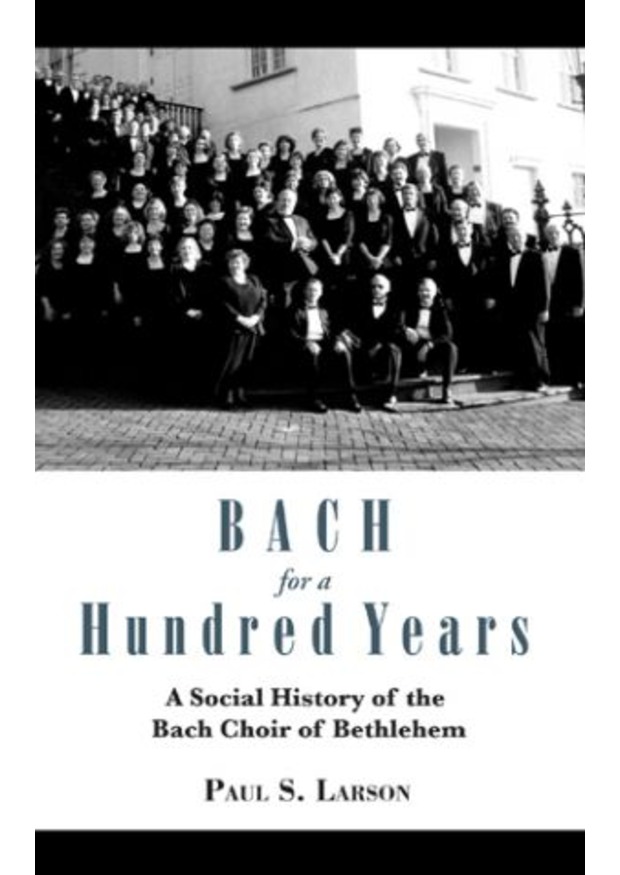
This is an account of the actions taken by the residents of Bethlehem, Pennsylvania to create a local amateur society singing the music of J. S. Bach and to develop it into a choir of international importance. Singers, instrumentalists, industrialists, academicians, bankers, and churches acted in community to found and perpetuate a group devoted to sharing the music of Bach locally, nationally, and internationally. While The Bach Choir of Bethlehem performs frequently elsewhere, the annual Bethlehem Bach Festival became and remains a magnet for those who love Bach and want to experience his music excellently performed in historic and sacred surroundings.
In order to reach and maintain its premier status, the choir, its conductor, its board, and staff had to be experts in music performance and shifts in audience tastes. They had to be responsive to research in performance practice, and skilled in strategic planning, promotion and fundraising. In recent years they had to become competent in sound recording technology and use of the internet. These attributes are described and analyzed with frequent use of documents and personal anecdotes.
Successfully balancing the human actions and desires involved in such a complex enterprise has earned The Bach Choir of Bethlehem the title “A National Treasure” in music and the recognition that it is at the same time a national model for excellence as a cultural non-profit organization.
This is a story of how and why—for over a century—inspiring performances of Bach’s music came about and were brought to many thousands of listeners.
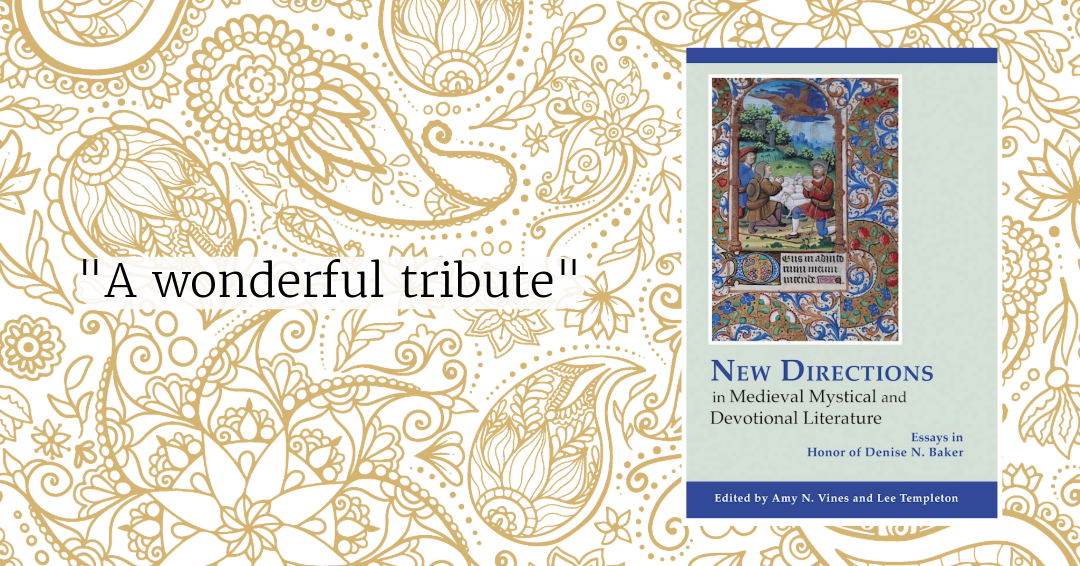
" This volume of essays is a wonderful tribute to the scholarly achievements of Professor Baker. "
"The volume is . . . alive with pieces that, rather than uncritically celebrating her achievements, discuss, refine, and sometimes take issue with her views."
"The Wife of Bath in Afterlife is a must-read not only for all serious-minded Chaucerian scholars but also for avid readers who earnestly endeavor to enhance their knowledge about theWife of Bath and to broaden their capacity for learning.”
-- Christina Pinkston, Norfolk State University
Review of Fiddled out of Reason, by John William Knapp
"a valuable contribution to our understanding of the hymn as a literary and cultural phenomenon."
-- Joshua Swidzinski, University of Portland
The Final Days of Edgar Allan Poe, by David F. Gaylin, has been "recommended for all readers" by Choice Reviews and was listed in their Community College Top 75 titles.
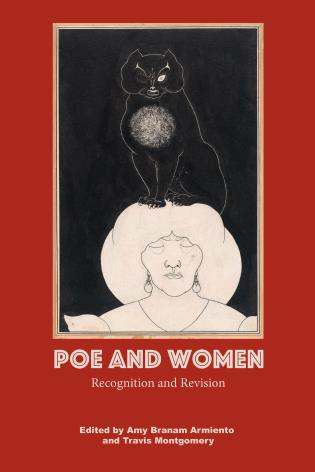
"This engaging collection redresses the balance of Poe studies to consider his work from the perspective of women, those in his works and those reading them. . . . [It] offers a welcome emphasis on the irrepressibility of women in his work who ‘die but do not stay dead’"
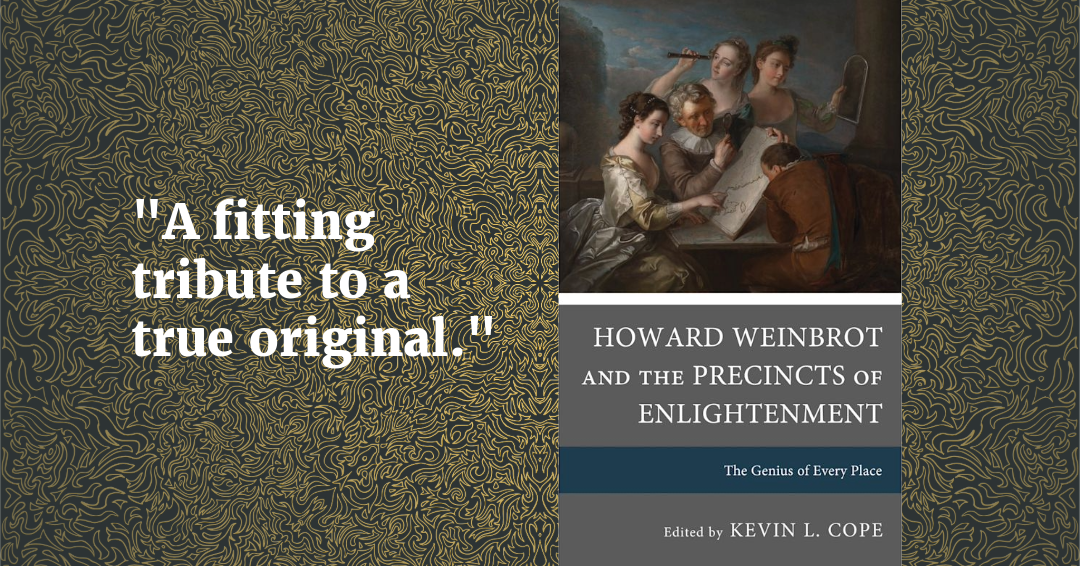
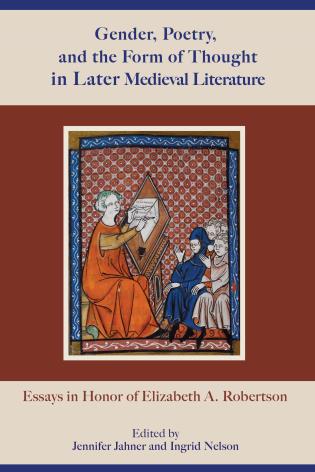
Very much in the spirit of Robertson's many impacts on our field, this collection opens a range of fascinating apertures into the medieval literary world that promise to be useful, both to fellow scholars and in a variety of literature classrooms.
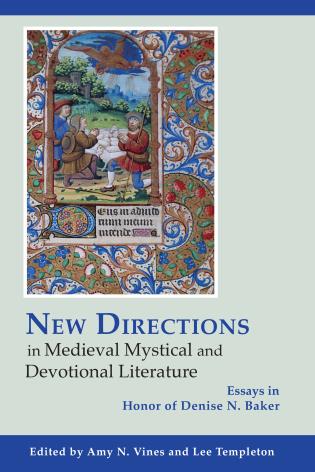
New Directions in Medieval Mystical and Devotional Literature not only makes a fitting tribute to a beloved scholar and teacher; it constitutes a significant contribution to the field in its own right. The essays in this beautifully presented book will be essential reading for anyone interested in late-medieval vernacular theology and its reception, both in England and beyond.
--Nicholas Watson, professor of English, Harvard University
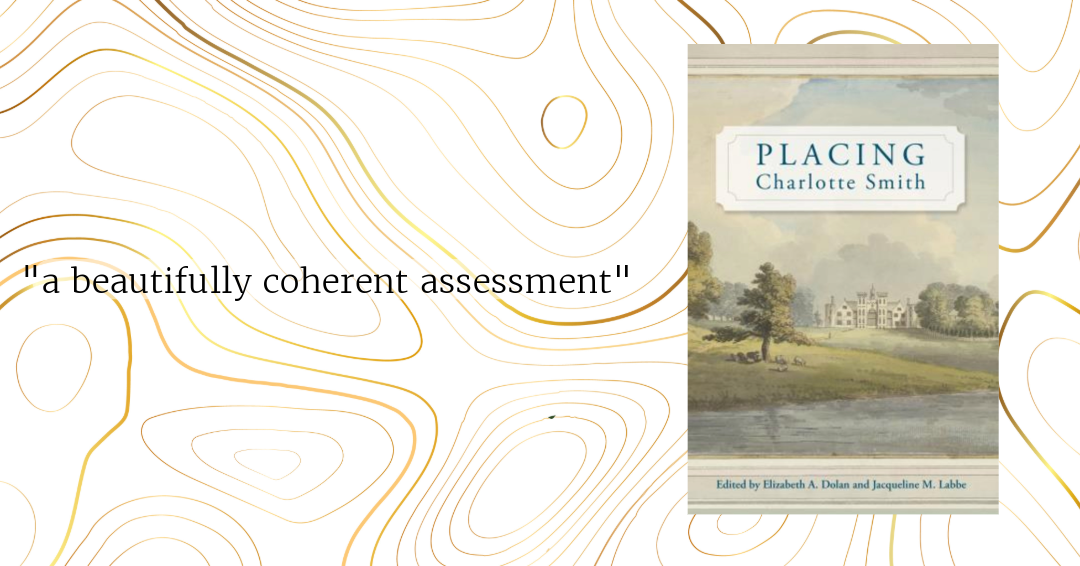
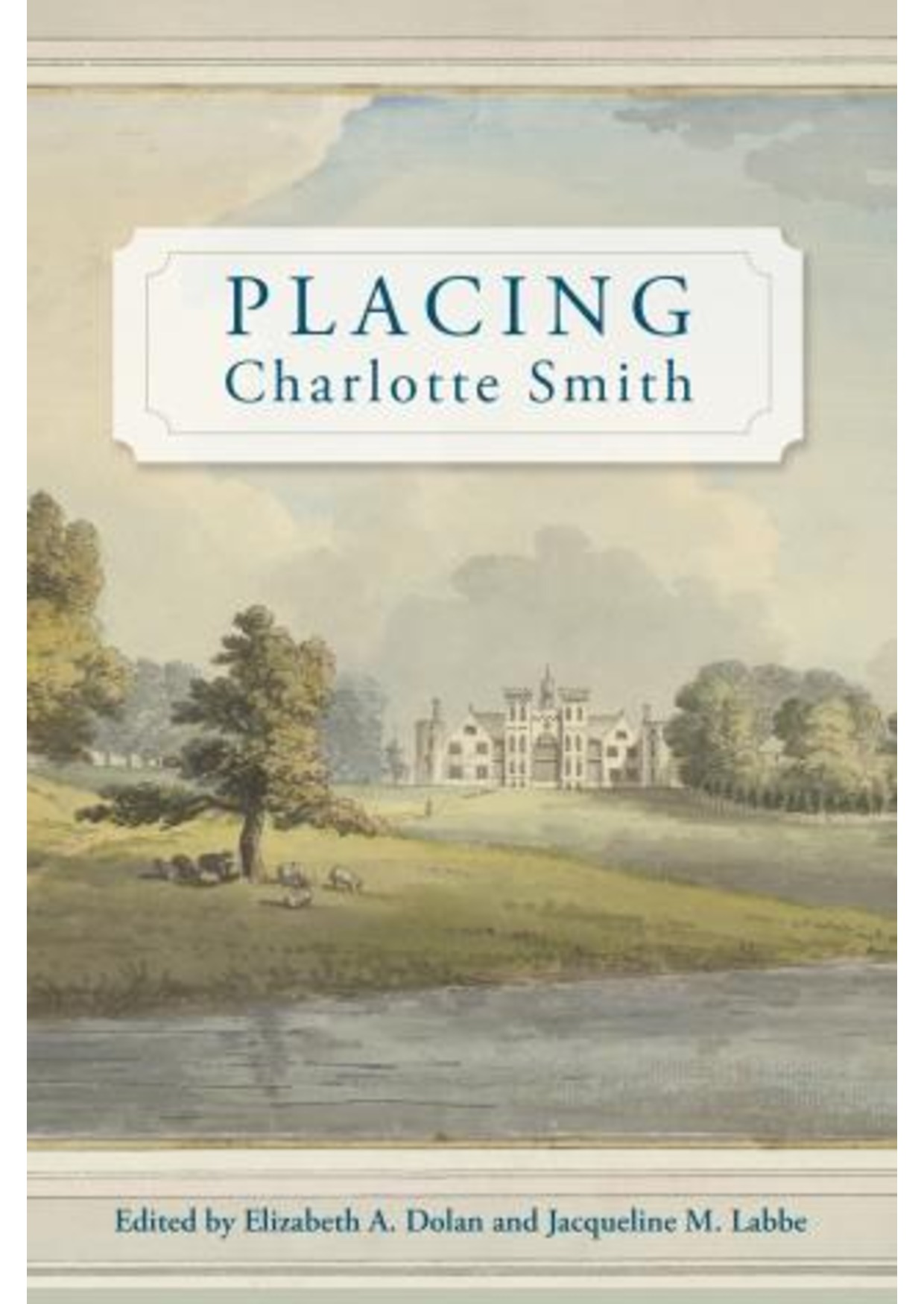
Dolan and Labbe’s wide-ranging yet cohesive collection of essays offers a comprehensive and convincing breadth that succeeds in its mission of placing Charlotte Smith. Beyond Smithian scholarship, the volume comes at a prescient time.
--Heather Heckman-McKenna University of Missouri-Columbia